A different and better way to a faster hip replacement surgery recovery
Two-inch incision, no detached muscles — and same-day discharge for many. Here’s why the anterior approach gets patients moving faster.
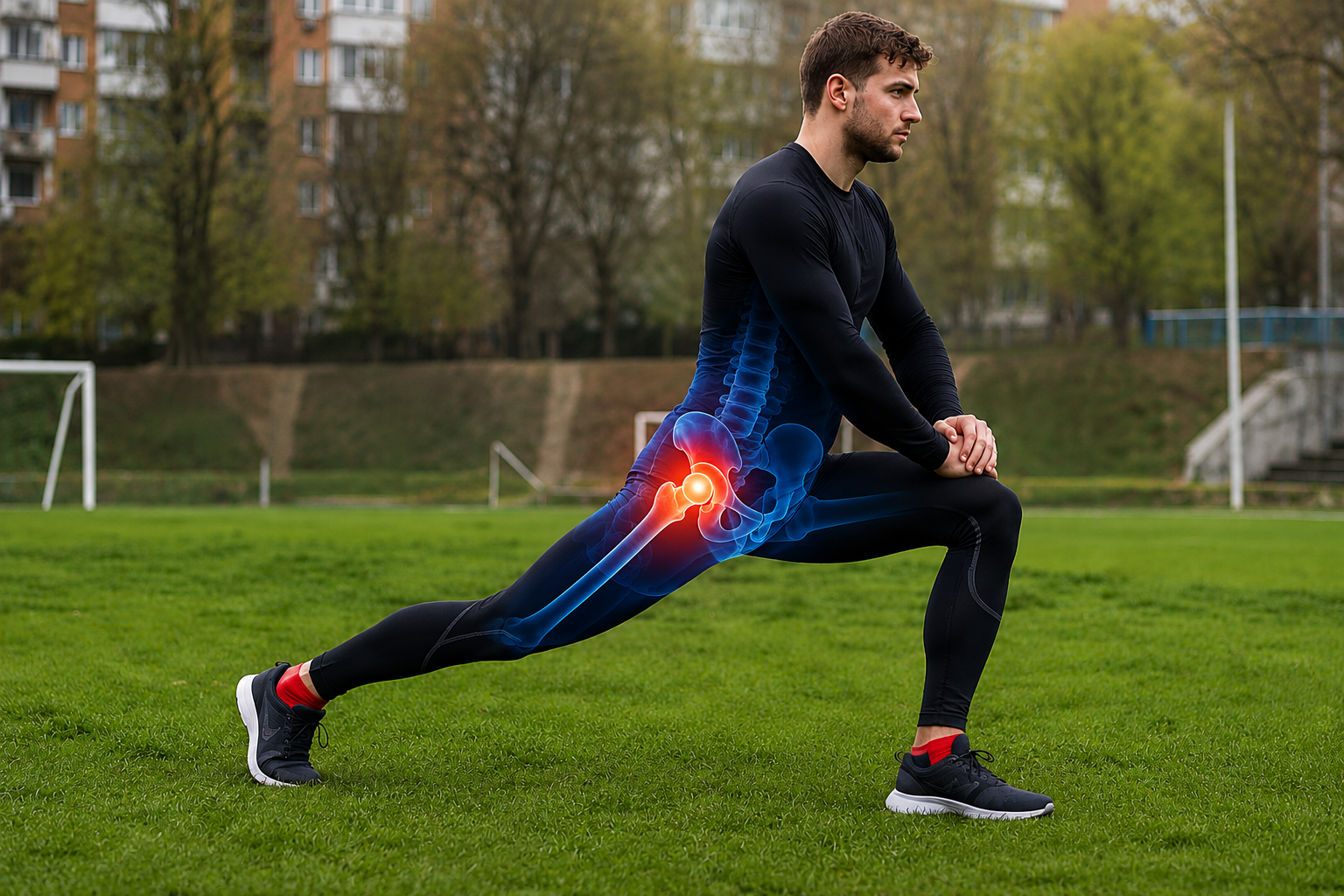
A different way in
Traditional hip replacement reaches the joint from the side or back, which often means cutting through or detaching muscle. Anterior hip replacement is different: the surgeon enters from the front through a roughly two-inch incision, working in the natural space between muscles rather than detaching them.
Because the muscles around the hip are largely left intact, there’s less trauma to the tissue you rely on to stand, balance, and walk — which sets the stage for an earlier, more comfortable start.
Why that means a faster start
- Many patients walk the same day, often with same-day discharge
- Less muscle trauma can mean less pain early on
- A lower risk of dislocation, with fewer movement precautions
- Less limping as you heal
- A quicker return to everyday activities
What recovery looks like
Even with a muscle-sparing approach, healing takes time. You’ll begin gentle movement early and build activity over the following weeks, guided by your post-operative care plan. Curious how the early weeks feel? See our guide to the first six weeks of joint-replacement recovery.
The “walk sooner” advantage is real, but your timeline is personal — Dr. Karan Srivastava and our team will guide each step.
Ready to move without hip pain?
The Joint and Bone Institute of California is here to help. Call today or request an appointment.